Top 10 Oldest Countries with Government in the World, No. 5 Will Surprise You!!
Top 10 Oldest Countries with Government in the World, No. 5 Will Surprise You!!

Sudan’s historical roots trace back to the Nubian kingdoms, which thrived along the Nile around 1070 BCE.
These ancient civilizations were renowned for their trade connections with Egypt and their monumental architecture, particularly the pyramids of Meroë.Sudan played a significant role in early African history, contributing to governance, religion, and cultural development across the region.
9. Israel – 1300 BCE
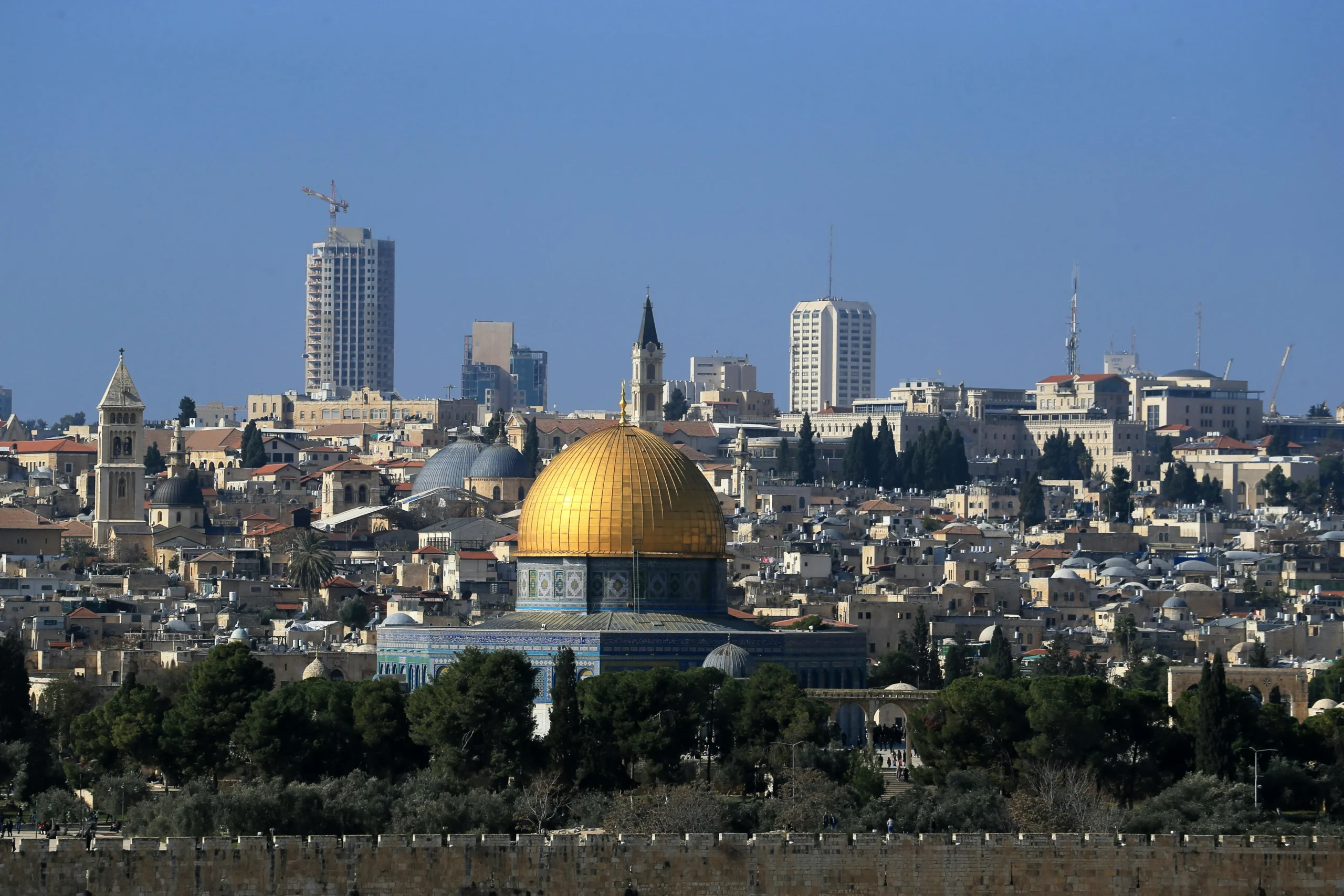
Israel’s history is deeply tied to ancient kingdoms such as Israel and Judah, emerging around 1300 BCE. As a cradle of monotheistic religions, Israel has a profound global spiritual and cultural legacy.
Its archaeological sites, sacred traditions, and early systems of governance continue to influence religion, politics, and society worldwide. Israel is also considered the home of the Jewish people.One of the more interesting things about Israel is that this nation, in its modern form, was carved out in 1948.
The present borders of Israel were declared after people in Europe and the US decided that they needed to have a haven for Jews after the persecution they suffered from Hitler.
8. Georgia – 1300 BCE
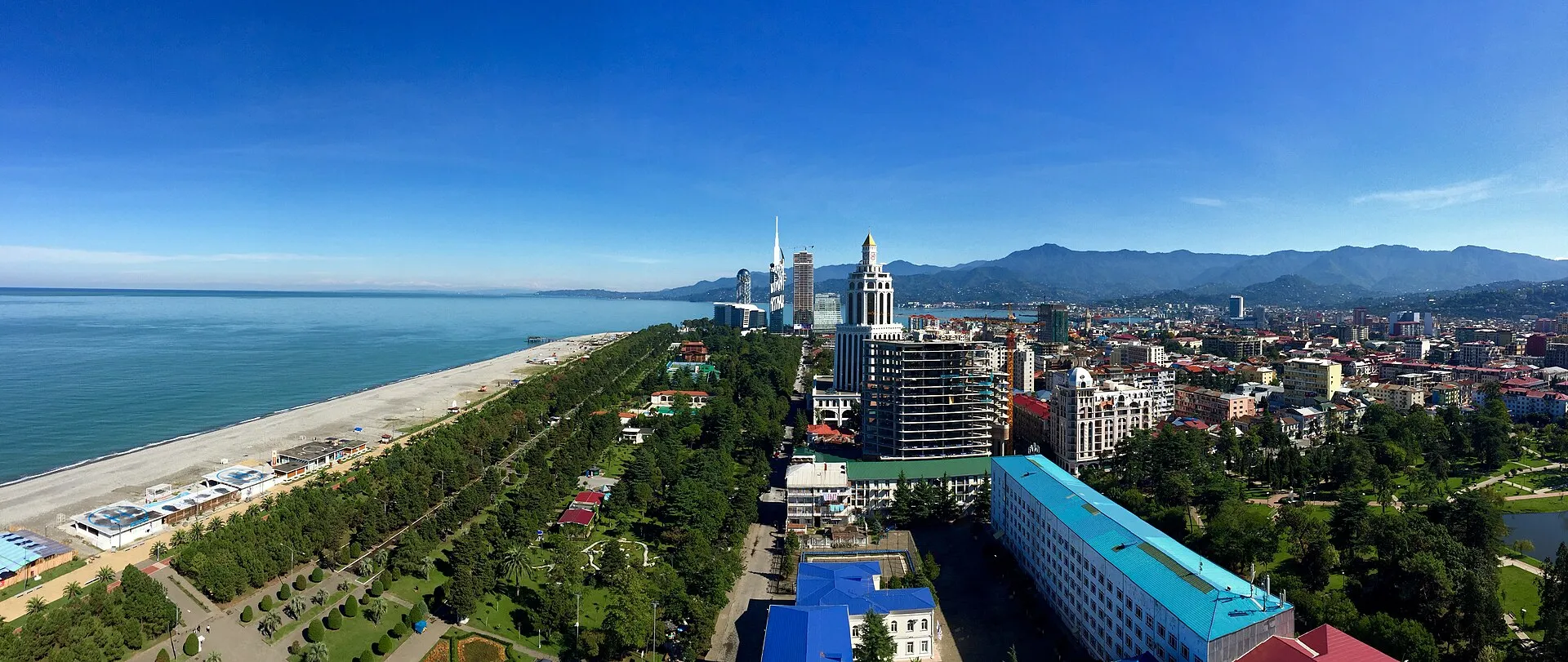
Georgia, located in the Caucasus region, dates its organized governance to around 1300 BCE. Early kingdoms like Colchis and Iberia shaped their identity as a crossroads between Europe and Asia.
7. India – 2000 BCE
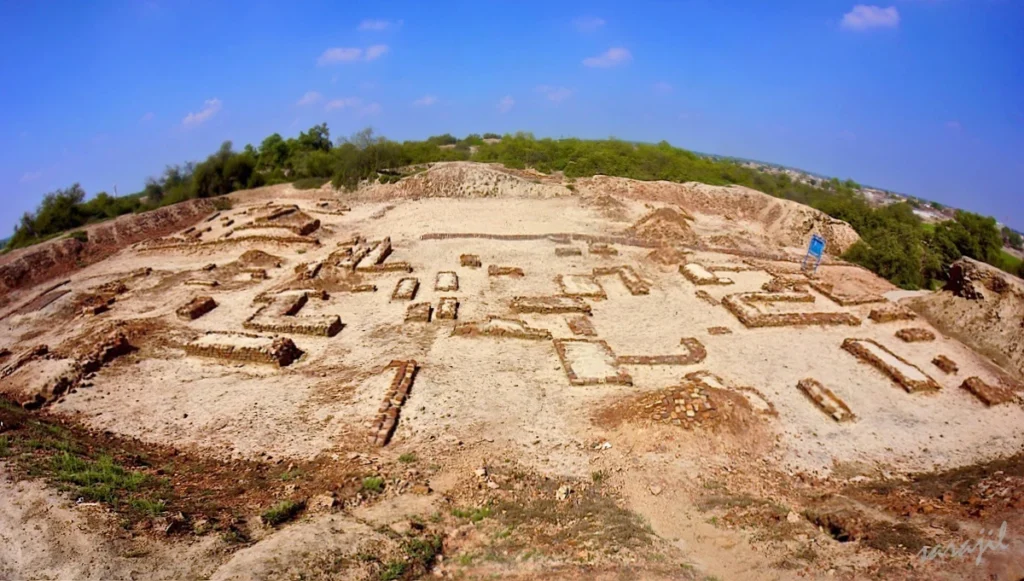
India’s civilization dates back to the Indus Valley around 2000 BCE, a society that pioneered urban planning, trade, and early script. Over centuries, India became a land of diverse religions, philosophies, and languages.
It gave the world Hinduism, Buddhism, and Jainism, alongside major contributions in mathematics, medicine, astronomy, and literature.
India is home to cultural richness, as the dance forms that originated here, such as Bharat Naytam and Katham, charm and magnetize artists around the world.
On 18 November 2008, the Moon Impact Probe was deployed from Chandrayaan-1 at an altitude of 100 km (62 mi). During its 25-minute descent, the Chandra’s Altitudinal Composition Explorer (CHACE) collected 650 mass spectra readings that provided evidence of water.
Later, on 24 September 2009, the journal Science reported that Chandrayaan-1 had detected water ice on the lunar surface.

6. China – 2070 BCE
China, founded with the Xia dynasty around 2070 BCE, is considered one of the world’s oldest continuous civilizations. Its history features monumental innovations, including papermaking, the compass, gunpowder, and printing.
Chinese governance, philosophy, and literature have shaped much of East Asia while influencing global trade and culture for centuries.
Chinese Taoist philosophy serves as the backbone of much of Zen Buddhism. The message of this philosophy- to place trust in human nature and see the good and bad of it – is as old as this nation itself.
5. North Korea – 2333 BCE
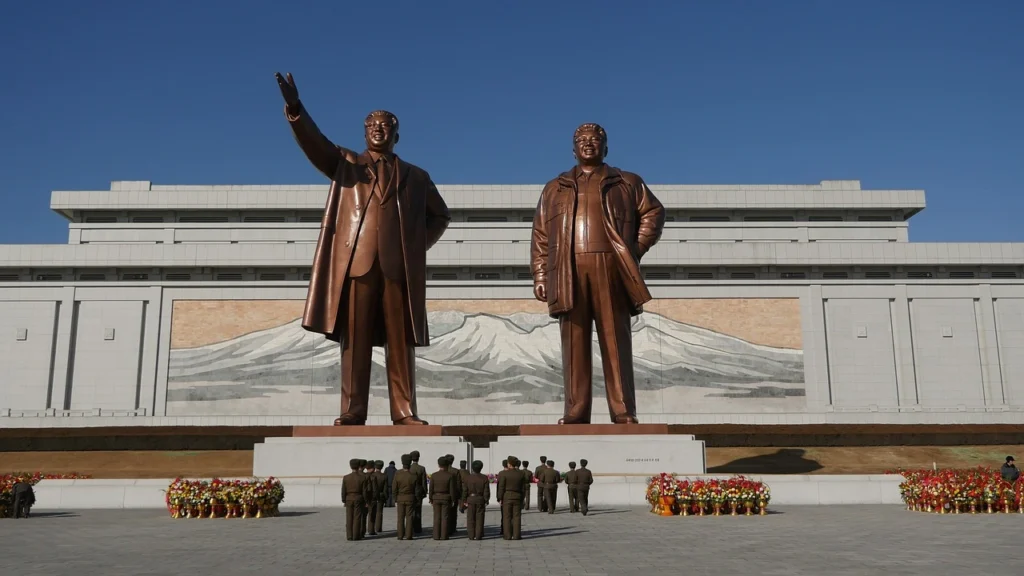
North Korea traces its historical roots to the legendary kingdom of Gojoseon, said to have been founded by Dangun in 2333 BCE.
Ancient Korean civilizations were known for their governance structures, metallurgy, and Confucian-based learning systems. These traditions shaped the Korean Peninsula’s identity, influencing cultural, technological, and philosophical development over centuries.
Much like Israel, the present borders of North Korea were declared after the Second World War. The southern part of Korea sided with the Western model of government, while the northern part of Korea saw a communist regime.

4. Armenia – 2492 BCE
Armenia, with its foundation traced to 2492 BCE, is among the earliest nations in recorded history.
In 301 CE, it became the first country to adopt Christianity as a state religion, cementing its role in spiritual and cultural history.
Its heritage includes ancient kingdoms, a unique alphabet, and strong traditions in art, architecture, and music that continue to define its national identity.

3. Vietnam – 2879 BCE
Vietnam’s history stretches back to 2879 BCE with the rule of the Hung Kings and the Hong Bang dynasty.
The Red River civilization laid the foundation for its society, enriched through exchanges with China and Southeast Asia.
Today, Vietnam preserves its identity through Confucian values, traditional festivals, music, and literature, blending ancient heritage with modern development.

2. Egypt – 3100 BCE
Egypt, unified around 3100 BCE under King Narmer, became one of the world’s most remarkable ancient civilizations.
Known for its pharaohs, pyramids, temples, and hieroglyphics, Egypt pioneered advances in mathematics, medicine, architecture, and governance.
Its monumental achievements continue to inspire scholars and travelers, reinforcing its place as a cornerstone of human civilization.
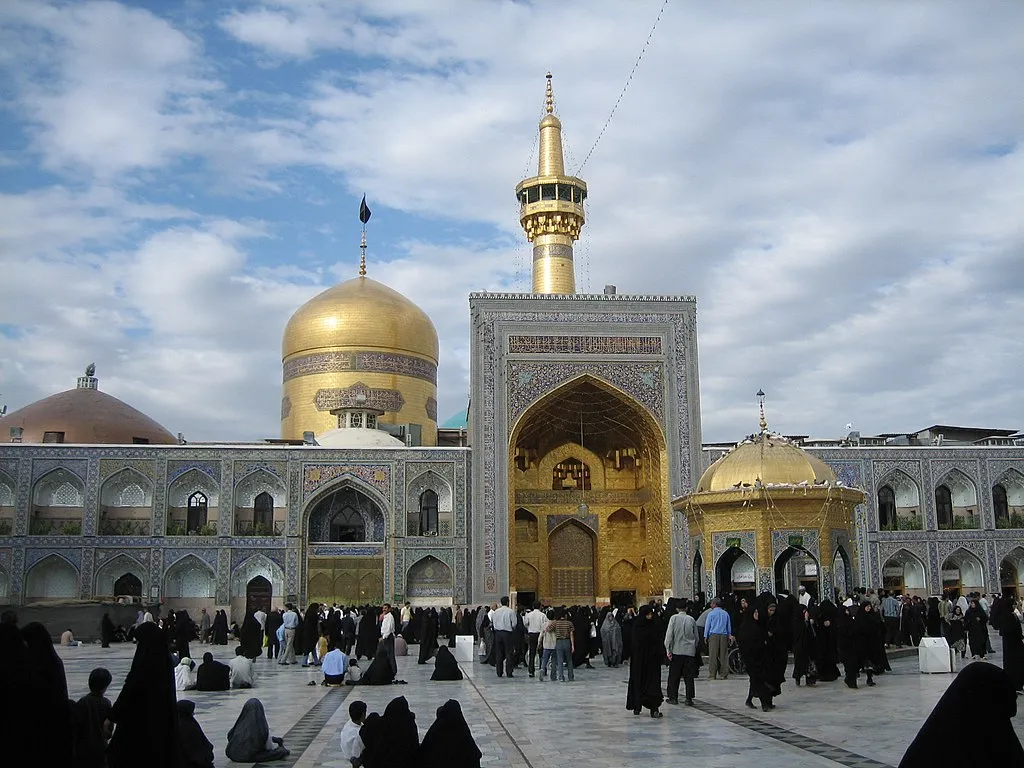
1. Iran – 3200 BCE
Iran, historically known as Persia, is the oldest country in the world with the earliest organized government, dating back to 3200 BCE. It is home to one of the most influential civilizations, marked by the Achaemenid and Sassanian empires.
With achievements in architecture, astronomy, language, and governance, Iran’s cultural and political legacies shaped much of the Middle East and remain central to global history.
By Salisu Umar Manta
salisuumarmanta@gmail.com

posted by Salisu Umar Manta @ September 09, 2025


<< Home